
Flu, Cold, RSV or COVID? When Respiratory Symptoms Mean the ER
Bellaire ER is a freestanding emergency room at 5302 Bellaire Blvd, open 24/7/365. Walk in or call (713) 660-0001 anytime.
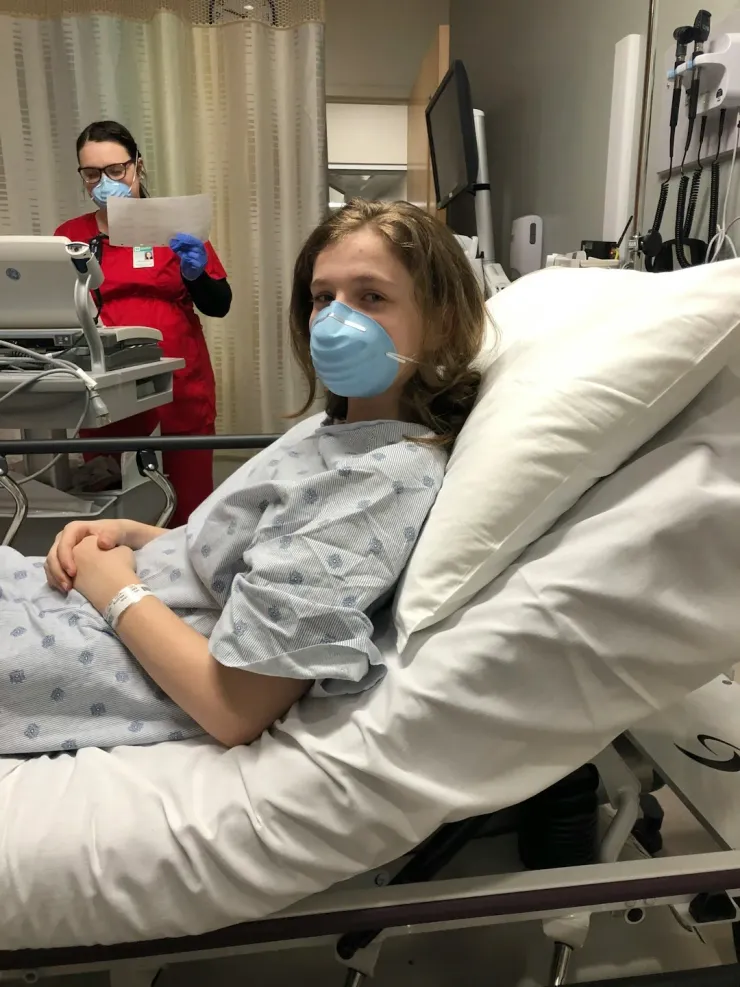
A cough, fever or runny nose does not tell you which respiratory virus is responsible. The decision that matters first is how sick the person is, particularly whether breathing, hydration or alertness has changed. Difficulty breathing, persistent chest pain, new confusion or trouble staying awake can be emergency warning signs. Call 911 for a life-threatening emergency. Do not wait for a home test or an online booking before getting help. CDC: COVID emergency warning signs.
For in-person emergency evaluation when safe transportation is appropriate, Bellaire ER is open 24/7 at 5302 Bellaire Blvd, Bellaire, TX 77401. You can walk in without an appointment. This guide brings symptom comparisons, warning signs and prevention into one place; it does not diagnose an illness or replace an examination.
Cold, flu, RSV and COVID overlap
Symptoms can offer clues, but testing and clinical assessment may be needed. A cold does not become flu because it lasts longer: these illnesses are caused by different viruses. CDC: common cold.
| Illness | Common pattern | Important limitation |
|---|---|---|
| Common cold | Runny or stuffy nose, sneezing, sore throat and cough | Other viruses can also look like a cold. |
| Influenza | Often a sudden onset of aches, chills, fatigue and cough; fever may occur | Flu can occur without fever. |
| RSV | Often cold-like symptoms; a young infant may feed less or become less active | Breathing problems can develop even without a fever. |
| COVID-19 | May include cough, fever, sore throat, congestion, fatigue or body aches | Symptoms alone cannot reliably distinguish COVID from flu. |
Sources: CDC cold overview, flu symptoms, RSV in infants, COVID symptoms.
A negative or positive home test does not override an emergency warning sign. Tell the clinician when symptoms began, what changed, and any test results. The goal is to assess the person, rather than make the family decide which test to request.
When respiratory symptoms need emergency care
Seek medical care immediately for these six important patterns:
- Trouble breathing or shortness of breath.
- Persistent pain or pressure in the chest or abdomen.
- Confusion, difficulty waking, or a seizure.
- Dehydration, such as not urinating.
- Severe weakness or unsteadiness.
- A fever or cough that improves and then returns or worsens, or worsening of an existing medical condition.
These signs are not a complete list. They can occur with flu complications and deserve urgent assessment. For severe breathing difficulty, loss of consciousness or another life-threatening situation, call 911 instead of driving yourself. CDC: emergency warning signs of flu complications.
For infants and children, watch for breathing effort, hydration and interaction. An infant with RSV may have pauses in breathing, feed poorly or have little energy. Seek medical attention when a child has difficulty breathing, is not drinking enough or gets worse. CDC: RSV in infants and young children.
A fever in a child younger than 12 weeks needs prompt medical care. Fast breathing, ribs pulling inward, bluish lips, little urine or a child who is not alert are also concerning. CDC pediatric flu warning signs. Call 911 for severe breathing difficulty, abnormal color with breathing distress, or a child who cannot be awakened normally. Read about pediatric emergency evaluation.
A single temperature threshold cannot decide whether every adult or child needs the ER. Age, breathing, hydration, underlying conditions and changes in behavior matter. If symptoms are severe or concerning, obtain medical advice rather than waiting for a particular number or duration.
Higher-risk people should seek advice early
Adults 65 and older, children younger than five—especially younger than two—pregnant people, and people with chronic conditions such as asthma, diabetes or heart disease have greater risk from flu. A weakened immune system also increases risk. Contact a healthcare professional promptly when flu symptoms develop in someone at higher risk. CDC: people at increased risk for flu complications.
For a person with mild symptoms and stable breathing, that call may be to their usual clinician. It should not delay emergency care when warning signs are present. Bring a list of medical conditions and medicines if available. Tell the clinician about pregnancy, immune suppression or an oxygen requirement, because these details can affect the assessment.
What evaluation at Bellaire ER can involve
An emergency physician can assess breathing, symptoms, hydration and overall condition, then recommend testing and treatment that fit the findings. Bellaire ER provides on-site imaging and laboratory capabilities as part of physical emergency care; having equipment available does not mean every cough needs a scan or every fever needs a laboratory test.
Depending on the evaluation, care may involve respiratory testing, assessment for dehydration or a complication, and treatment selected by the clinician. Chest imaging, fluids or breathing treatment may be appropriate for some patients. No particular test, medicine, result time or outcome is guaranteed. If a higher level of care is needed, the team determines the appropriate next step, including transfer when indicated.
See physical fever and flu care, flu evaluation, RSV care, and breathing and asthma emergency care. These pages describe the relevant care routes; this article explains how to recognize the need for them.
Testing and treatment are individual decisions
Symptoms alone cannot always distinguish flu from another respiratory infection. Different flu tests have different performance and turnaround times, and a clinician interprets a result together with the illness and examination. A rapid test is not a promise of an immediate diagnosis. CDC: diagnosis for flu.
Prescription flu antivirals may be useful for some patients, particularly those at increased risk or who are very ill. They work best when started early, ideally within two days of symptom onset, although later treatment can still help selected patients. Antibiotics do not treat influenza itself. Do not wait two days to seek care if symptoms are severe, and do not assume it is too late to contact a clinician. CDC: treatment of flu.
For mild cold symptoms, rest and fluids can help. Ask a clinician or pharmacist about medicines appropriate for the person’s age, pregnancy and other conditions; this guide does not supply medication doses or recommend combining cold products. A worsening illness or concerning symptom needs reassessment. CDC: common cold care.
Prevention that fits a Bellaire household
Respiratory prevention combines vaccinations appropriate for the person, hand hygiene, cleaner indoor air and precautions while sick. Masks and distancing can add protection, especially around people at higher risk. Discuss current flu, COVID and RSV immunization recommendations with a healthcare professional; eligibility and schedules depend on age, pregnancy and medical history. This article does not claim Bellaire ER offers routine vaccination appointments. CDC: preventing respiratory illnesses.
If sick with respiratory symptoms, stay home and away from others except to obtain needed care. CDC says normal activities can resume when, for at least 24 hours, symptoms are improving overall and any fever is gone without fever-reducing medicine. For the following five days, take additional precautions such as cleaner air, masking, distancing or testing around others. If fever returns or illness worsens, stay home again. CDC: precautions when sick.
Do not use staying home as a reason to ignore an emergency warning sign. Tell the care team about respiratory symptoms when you arrive and follow their instructions. Household prevention and emergency evaluation serve different purposes: reduce spread when possible, and obtain care when it is needed.
Directions, optional physical booking and questions
Bellaire ER is a freestanding emergency room, open 24/7 at 5302 Bellaire Blvd, Bellaire, TX 77401. Walk-ins do not require an appointment. Emergency-room billing applies. When the situation allows, review insurance information and cost information.
- Get directions to Bellaire ER.
- Optionally book an in-person ER visit. Booking does not replace triage or guarantee a treatment time.
- Call Bellaire ER: (713) 660-0001 for clinic questions.
For a life-threatening emergency, call 911. Do not wait for a booking or callback.
Frequently asked questions
When should I go to the ER for the flu?
Seek immediate medical care for trouble breathing, persistent chest or abdominal pain, confusion, difficulty waking, dehydration, severe weakness, or symptoms that improve and then worsen. Call 911 for severe breathing difficulty, loss of consciousness or another life-threatening emergency. People at higher risk should contact a healthcare professional early; do not wait for a test or booking when warning signs are present.
Can the ER test for flu and RSV?
An emergency physician assesses symptoms, breathing and overall condition, then selects testing when appropriate. Bellaire ER has on-site laboratory capabilities, but this guide does not guarantee that every respiratory test, including a particular RSV test, is available on site for every visit. The care team determines whether testing is needed and what options are appropriate. A test result does not replace the clinical assessment.
Is shortness of breath with flu an emergency?
Shortness of breath is a warning sign that needs immediate medical assessment, even if you think the illness is flu. Call 911 for severe breathing difficulty, bluish lips with breathing distress, loss of consciousness or another life-threatening situation. Do not wait for a home test, online booking or callback before seeking help.
Do I need to book before coming for respiratory emergency care?
No. Bellaire ER welcomes walk-ins 24/7 at 5302 Bellaire Blvd, Bellaire, TX 77401. Online booking is optional for an in-person ER visit and should never delay emergency care. Bellaire ER is a freestanding emergency room with emergency-room billing.