
Skin Infections
Spreading redness, fever, red streaking, or skin that is hot, tightly swollen and severely painful needs emergency care: cellulitis can move quickly, and an abscess usually has to be drained. Bellaire ER, at 5302 Bellaire Blvd in Houston, diagnoses skin infections and drains abscesses on site 24/7, with laboratory testing and imaging to judge how deep an infection runs, and IV antibiotics started during the visit.
- Open now, 24/7/365
- Walk in, no appointment
- 5302 Bellaire Blvd, free parking
Unsure if Your Symptoms Require Emergency Care?
Call our clinical triage desk at (713) 660-0001. An on-duty board-certified emergency physician will evaluate your symptoms before you leave home.
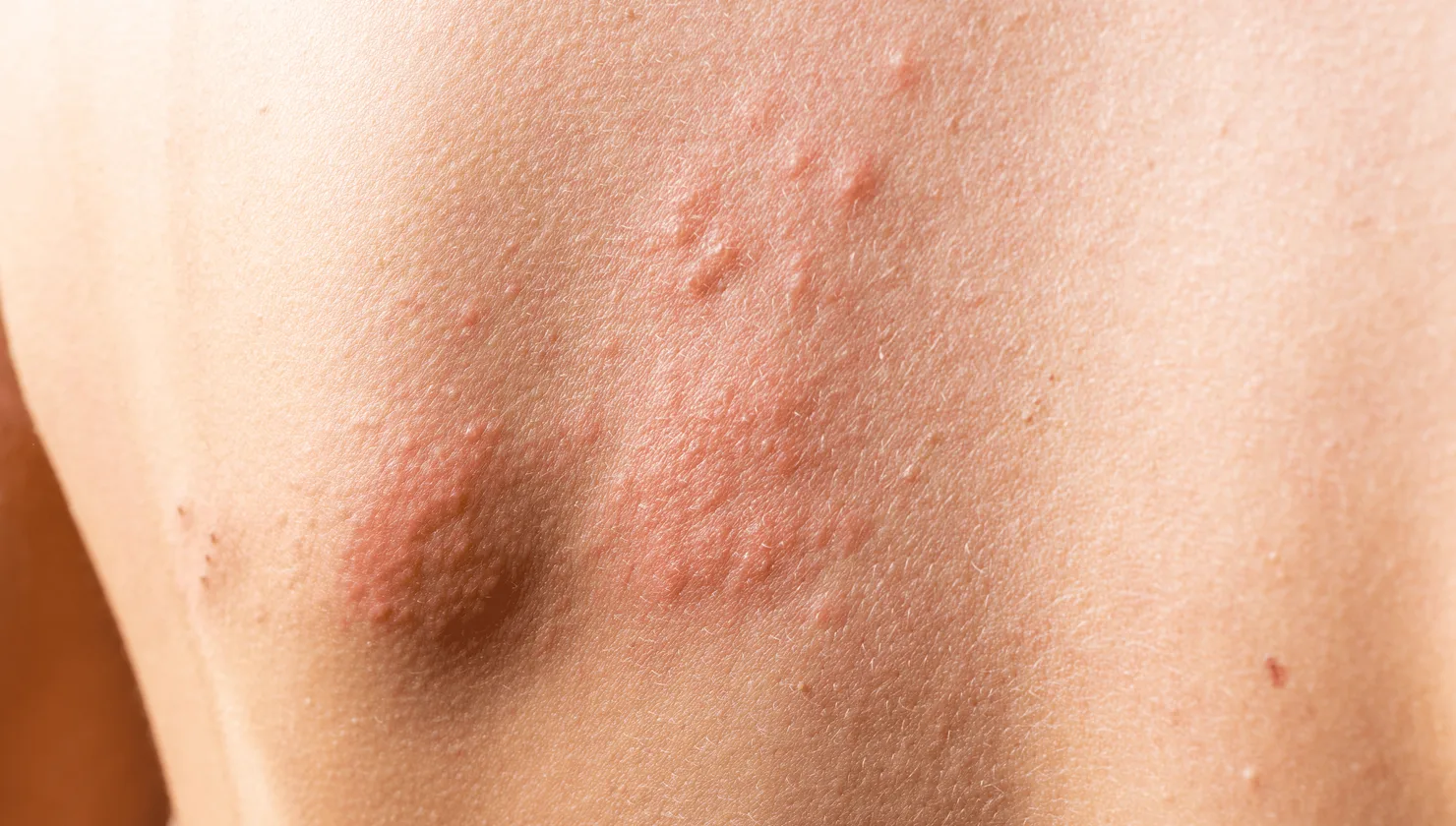
Symptoms
- Redness: An area of skin that is red or discolored, often warm to the touch and tender.
- Swelling: Puffiness or a firm, raised area, sometimes with tight or shiny-looking skin.
- Pain and tenderness: Soreness that is worse than a simple scratch and increases with pressure.
- Warmth: The affected skin feels noticeably hotter than the surrounding skin.
- Pus or drainage: Yellow or green fluid, or a painful pus-filled lump (abscess or boil).
- Blisters or open sores: Fluid-filled bumps or a crusting, weeping wound.
- Fever or chills: A whole-body sign that the infection may be spreading beyond the skin.
When it's an emergency
Emergency care for skin infections
Call 911 immediately for life-threatening symptoms or if you cannot travel safely. Do not drive yourself or delay for online booking.
For other urgent symptoms, seek prompt emergency evaluation. Bellaire ER accepts walk-ins 24/7. For facility questions, call (713) 660-0001.
Come straight to Bellaire ER: open 24/7, if the redness is spreading quickly (you can trace or mark its edge and watch it grow over hours), if you have a fever or chills, or if you see red streaks moving away from the wound toward the body; an ambulance is the faster route if you cannot travel safely. These can be signs the infection is entering deeper tissue or the bloodstream.
Go to the ER for skin that becomes hot, tightly swollen, and severely painful, or if the pain feels far out of proportion to how the skin looks. Rapidly worsening pain, skin turning purple or gray, blistering, or a crackling feeling under the skin are red flags for a serious deep infection and need emergency care right now.
Seek emergency care for a large or very painful abscess, an infection on the face or near the eyes, or any skin infection if you have diabetes, a weakened immune system, or take medicines that suppress immunity. Also come in if you feel confused, dizzy, have a racing heart, or a very low body temperature, which can be signs of sepsis, a life-threatening emergency.
When it's not an emergency
Many minor skin infections can be managed without an ER visit. A small, uncomplicated area of redness, a minor infected scratch, or a small boil in an otherwise healthy person can often be evaluated by your primary care doctor or through a Bellaire ER virtual urgent care visit.
Bellaire ER's virtual urgent care is reasonable when the area is small and stable, you have no fever, and the redness is not spreading. A clinician can look at it, advise wound care, and prescribe oral antibiotics if needed.
See a doctor in person, rather than waiting, if a mild infection does not start improving within a day or two of home care, or if it begins to grow, drain pus, or become more painful. When symptoms are worsening or you are unsure how serious it is, the ER is the safer choice.
What else could be causing this
- Cellulitis
- Bacterial infection spreading through the deeper layers of the skin and the fat beneath it. A flat, warm, tender, expanding area of redness with poorly defined edges, usually on a leg, often with fever. There is no pocket of pus to drain, so it is treated with antibiotics rather than a procedure.
- Abscess or boil
- A walled-off collection of pus. A firm, exquisitely tender lump that becomes soft and fluctuant in the center as it matures. Antibiotics alone do not cure it. Pus has to be drained. Which is why distinguishing an abscess from cellulitis changes the treatment entirely.
- Infected wound
- Infection in a cut, graze, surgical incision or bite. Pain increasing rather than settling after the first two days, with spreading redness, warmth and pus. The history of a break in the skin is what separates this from cellulitis arising on its own.
- Necrotizing soft tissue infection
- A rapidly destructive infection of the tissue layers beneath the skin. The defining feature is pain far out of proportion to how the skin looks, progressing over hours, with dusky or purple discoloration, blistering, a crackling feeling under the skin, and someone who looks systemically unwell. Rare, surgical, and the reason disproportionate pain is never dismissed.
- Erysipelas
- A streptococcal infection of the upper skin layers. Unlike cellulitis, the red area is raised with a sharply demarcated border, often on the face or lower leg, with abrupt fever and chills. Distinct enough in appearance to be recognized clinically.
- Impetigo
- A superficial bacterial infection, most often in children, producing weeping sores that dry into a honey-colored crust, usually around the nose and mouth. Contagious by direct contact, treated with topical or oral antibiotics, and not a deep-tissue problem.
- Infected hair follicle or cyst
- Folliculitis, small pustules at the base of hairs, or an inflamed epidermoid or pilonidal cyst. Often confused with a boil. A cyst that has become infected may need drainage now and definitive removal later, once the inflammation has settled.
- Herpes zoster (shingles)
- A viral reactivation, not a bacterial infection, but frequently mistaken for one. Grouped blisters on a red base confined to a single band on one side of the body, usually preceded by a day or two of burning or tingling pain. Antibiotics do nothing for it; antivirals work best started early, and shingles around the eye needs same-day assessment.
- Inflammatory conditions that are not infections
- Contact dermatitis, an insect-bite reaction, gout in a joint, deep vein thrombosis and stasis dermatitis in chronically swollen legs all produce red, warm, tender skin. Bilateral redness in both legs is more often stasis dermatitis than infection, since cellulitis is rarely symmetrical. These get misdiagnosed as cellulitis often enough to be worth naming.
What happens when you arrive
At Bellaire ER a board-certified emergency physician examines the affected skin, checks your temperature and vital signs, and often marks the edge of the redness to track whether it is spreading. This helps distinguish a simple infection from cellulitis or a deeper problem.
We have on-site lab, X-ray, ultrasound, and CT. Bloodwork can show whether the infection is affecting your whole body, ultrasound can find a hidden pocket of pus, and imaging can check for infection in deeper tissue when needed. If there is an abscess, the physician can numb the area and drain it on-site and send a sample for culture.
Treatment may include incision and drainage, oral or IV antibiotics, wound cleaning and dressing, a tetanus shot if you are due, and pain relief. We diagnose and treat in a single visit, and most patients do not need a hospital transfer. Before you leave, your physician explains the diagnosis and gives a clear wound-care and follow-up plan, including which warning signs should bring you back.
Tests we can run on site
- Examination and marking the border
- The edge of the redness is marked with a pen and the time noted. Re-examining it later shows objectively whether the infection is advancing, holding or retreating, a simple step that does more to guide the decision than most tests, and one you can continue at home.
- Vital signs
- Temperature, heart rate, blood pressure, respiratory rate and oxygen level. These separate a skin infection from a skin infection with systemic involvement, and an abnormal set is what raises the possibility of sepsis.
- Ultrasound
- Bedside sound-wave imaging, without radiation. It is the test that answers the central question: is there a drainable pocket of pus, or is this cellulitis alone? It also finds foreign material and can look at the leg veins when a clot is a possibility.
- Blood work
- A white cell count and inflammatory markers to gauge how far the infection has gone, a metabolic panel for kidney function and blood sugar, and a lactate when sepsis is a concern. In a diabetic patient, blood sugar control is part of the infection picture rather than separate from it.
- Wound or pus culture
- A sample taken when an abscess is drained or a wound is already infected. It identifies the organism, including resistant staphylococcus, and which antibiotics it responds to, which matters when the first antibiotic has not worked.
- Blood cultures
- Drawn when there is fever, chills or signs of a spreading infection, to detect bacteria in the bloodstream. They identify the organism when the skin alone does not explain how unwell someone is.
- X-ray and CT
- On-site imaging used when the infection may have reached deeper than skin and fat: gas in the tissues, bone involvement in a diabetic foot, or an abscess too deep for ultrasound to define. CT is also what identifies the extent of a deep infection before surgical treatment.
Treated here, or transferred
Bellaire ER is a licensed freestanding emergency room: board-certified emergency physicians and nurse practitioners, on-site CT, X-ray, ultrasound and laboratory, medication administered on site, open 24 hours a day, 365 days a year for adults and children. It is equipped for emergency evaluation, stabilization and treatment, and it is not a hospital.
Most skin infections are handled here from start to finish. An abscess is numbed with local anesthetic, opened and drained, the cavity irrigated and packed or left to drain, and a sample sent for culture, a procedure done in the emergency room rather than an operating room. Cellulitis, erysipelas, impetigo, an infected wound and folliculitis are treated with oral or IV antibiotics, given during your visit where that is needed, and prescribed for you to fill at your pharmacy to continue at home. Tetanus vaccination is updated if you are due, wound care and dressings are provided, and shingles is treated with antivirals when it is caught early enough for them to help.
Some infections need a hospital. A necrotizing soft tissue infection needs urgent surgical debridement and an operating room. Infection involving bone, a large deep abscess needing drainage under general anesthesia, an infection around the eye socket, a severe diabetic foot infection, sepsis, or anyone needing admission for continued IV antibiotics will be stabilized here and transferred. Antibiotics, fluids, monitoring and the imaging that defined the problem all begin here, and treatment continues without interruption during transfer to the surgical or inpatient service that will take over. Recognizing which infection is in front of us is the purpose of the evaluation, and transfer is a normal result of it.
For a leg that is red on both sides, or redness without fever in someone with chronically swollen legs, the useful work is often ruling infection out. Your physician explains what the finding actually is and what treats it, which may not be an antibiotic.
Children
The common skin infections differ in children. Impetigo, weeping sores with a honey-colored crust around the nose and mouth, is largely a childhood infection and is contagious enough to spread through a household or classroom; children are usually kept home until treatment has been under way for a day. Infected insect bites, infected eczema and abscesses from minor scratches are the other frequent presentations.
Some sites carry particular weight in children. Redness and swelling around the eye needs same-day assessment, because infection in the eye socket rather than just the eyelid is a serious problem and the two are hard to separate by appearance. Infection over a joint, a limp or refusal to use an arm or leg, and any infection in a newborn are all reasons to be seen rather than watched.
Children also show systemic illness differently. Fever with a skin infection matters more in a child than in an adult; so does a child who has gone quiet, is feeding poorly, or is unusually sleepy. Any fever in an infant under three months is an emergency evaluation in its own right. A widespread rash with fever, particularly one that does not fade when pressed, needs immediate care. That is not a skin infection question.
Bring a child in for spreading redness, an area that is hot and tightly swollen, a painful lump that is growing, pus, a red streak, fever with any of these, or infection on the face or near the eye. Come straight in for a child who is floppy, drowsy, or has pain far out of proportion to how the skin looks.
Bellaire ER treats adults and children, with on-site ultrasound to find a drainable abscess and laboratory testing to assess how far an infection has gone. Draining an abscess in a young child sometimes requires sedation beyond what is appropriate outside a hospital; in that case the child is assessed, started on antibiotics and transferred to a hospital with pediatric surgical care. Keep children from scratching and picking: and treat scratches, bites and eczema breaks early, since that is where most of these infections begin.
After you leave
If an abscess was drained, expect the pain to drop substantially straight away and the wound to keep draining for several days. Follow the instructions you were given about soaking, dressing changes and removing any packing, and keep the appointment for a wound check, a drained abscess is normally looked at again within a day or two.
If you were treated for cellulitis, finish the whole antibiotic course even once the redness fades; stopping early is a common reason it returns. Elevate an affected arm or leg above the level of the heart as much as you can manage, because gravity does more for leg cellulitis than most people expect. Redness often looks slightly worse in the first 24 to 48 hours before it starts improving, which is expected rather than alarming.
Use the pen mark. If the redness crosses the line that was drawn, come back. Return the same day for a fever that appears or climbs, for spreading redness, for a red streak tracking toward the body, for new pus, for an area becoming hot and tightly swollen, or if you are no better after two to three days of antibiotics.
Come in immediately, or come in now, for pain that is severe and out of proportion to how the skin looks, skin turning purple, grey or dusky, new blistering, a crackling feeling under the skin, or if you feel confused, dizzy, very cold or have a racing heart. Those are the signs of a deep infection or of sepsis and they are measured in hours. If you have diabetes, a weakened immune system, or infection on the face or near the eye, hold yourself to a lower threshold for returning than you otherwise would.
What this visit costs
We accept most major insurance and bill your insurer directly. For emergency care, federal law caps what you pay at in-network rates and bars surprise bills, your deductible and copay still apply. Never delay emergency care over cost.
See how ER billing worksInsurance and coverage questionsRead the facility notice
Questions about a specific plan? Call (713) 660-0001. Only your plan can tell you how a claim will be processed.
Lowering your risk
Clean any cut, scrape, or bite promptly with soap and water, keep it covered with a clean bandage, and watch for early redness or swelling. Do not squeeze or pop boils, which can push infection deeper.
Wash your hands regularly, keep skin moisturized to avoid cracks, and manage conditions like diabetes and eczema that make infections more likely. Do not share razors, towels, or other personal items, and keep athletic gear and equipment clean to lower the risk of staph infections.
Common questions
When should I go to the ER for a skin infection?
Go to the ER if the redness is spreading quickly, you have a fever or chills, you see red streaks moving from the wound, or the skin is hot, tightly swollen, and severely painful. Also seek emergency care for a large or facial abscess, or any skin infection if you have diabetes or a weakened immune system. These can signal cellulitis or a deeper infection that needs prompt treatment.
What is the difference between cellulitis and an abscess?
Cellulitis is a spreading bacterial infection of the skin and the tissue just beneath it, causing an expanding area of redness, warmth, swelling, and tenderness. An abscess is a walled-off pocket of pus that forms a painful, firm or squishy lump. Cellulitis is usually treated with antibiotics, while an abscess often needs to be drained. Bellaire ER can diagnose both and drain abscesses on-site.
Can a skin infection be treated by telemedicine or urgent care instead of the ER?
When the area is small and stable, you have no fever and the redness is not spreading, Bellaire ER's virtual urgent care can assess it and prescribe oral antibiotics. Come in instead if the area is large or spreading quickly, you have a fever, there is a sizeable or very painful abscess, or you have diabetes or a weakened immune system. An abscess usually has to be drained, and judging how deep an infection runs can take an ultrasound. Bellaire ER drains abscesses and images infections on site 24/7 and can start IV antibiotics during the visit.
Does Bellaire ER drain abscesses on-site?
Yes. Our board-certified emergency physicians can numb the area and perform incision and drainage of an abscess during your visit, and may use on-site ultrasound to locate the pocket of pus. We can also run labs, start IV antibiotics if needed, and provide wound care, all in a single visit without a hospital transfer for most patients.
What are the warning signs that a skin infection is becoming dangerous?
Warning signs include redness that spreads quickly, red streaking, fever or chills, skin that turns purple or gray, rapidly worsening pain, blistering, or a crackling feeling under the skin. Feeling confused, dizzy, or having a racing heart can point to sepsis. Any of these means you should seek emergency care right away by calling emergency care or coming to the ER.
Why prompt attention matters
Skin infections can progress quickly. Spreading redness, streaking, fever, or an area that becomes firm and increasingly painful signals an infection moving into deeper tissue.
Get care at Bellaire ER
Walk in any time at 5302 Bellaire Blvd, Bellaire, TX 77401 (get directions) or call 713-660-0001. No appointment is required to be seen, though you can save your spot online if you prefer. A telehealth visit is available for mild, non-emergency concerns.
Sources & further reading
Medical information on this page is consistent with guidance from these trusted organizations:
People also ask
When should I go to the ER for skin infections?
Go to the ER for a skin infection if the redness is spreading quickly, you have a fever, red streaking, a large or facial abscess, or if you have diabetes or a weakened immune system. Small, stable infections with no fever are often fine for Bellaire ER's virtual urgent care.
Read full answer →