
Poisoning by Nonmedicinal Substances
Poisoning from nonmedicinal substances (household cleaners, pesticides, antifreeze, carbon monoxide, alcohol, plants, or industrial chemicals) can be life-threatening and often needs emergency care. If someone is unconscious, having trouble breathing, or seizing, call 911 immediately. If they are awake and stable, call Poison Control at 1-800-222-1222 for free 24/7 guidance. For hands-on evaluation, Bellaire ER on Bellaire Blvd provides 24/7 emergency poisoning treatment near you in Bellaire and Houston.
- Open now, 24/7/365
- Walk in, no appointment
- 5302 Bellaire Blvd, free parking
Unsure if Your Symptoms Require Emergency Care?
Call our clinical triage desk at (713) 660-0001. An on-duty board-certified emergency physician will evaluate your symptoms before you leave home.
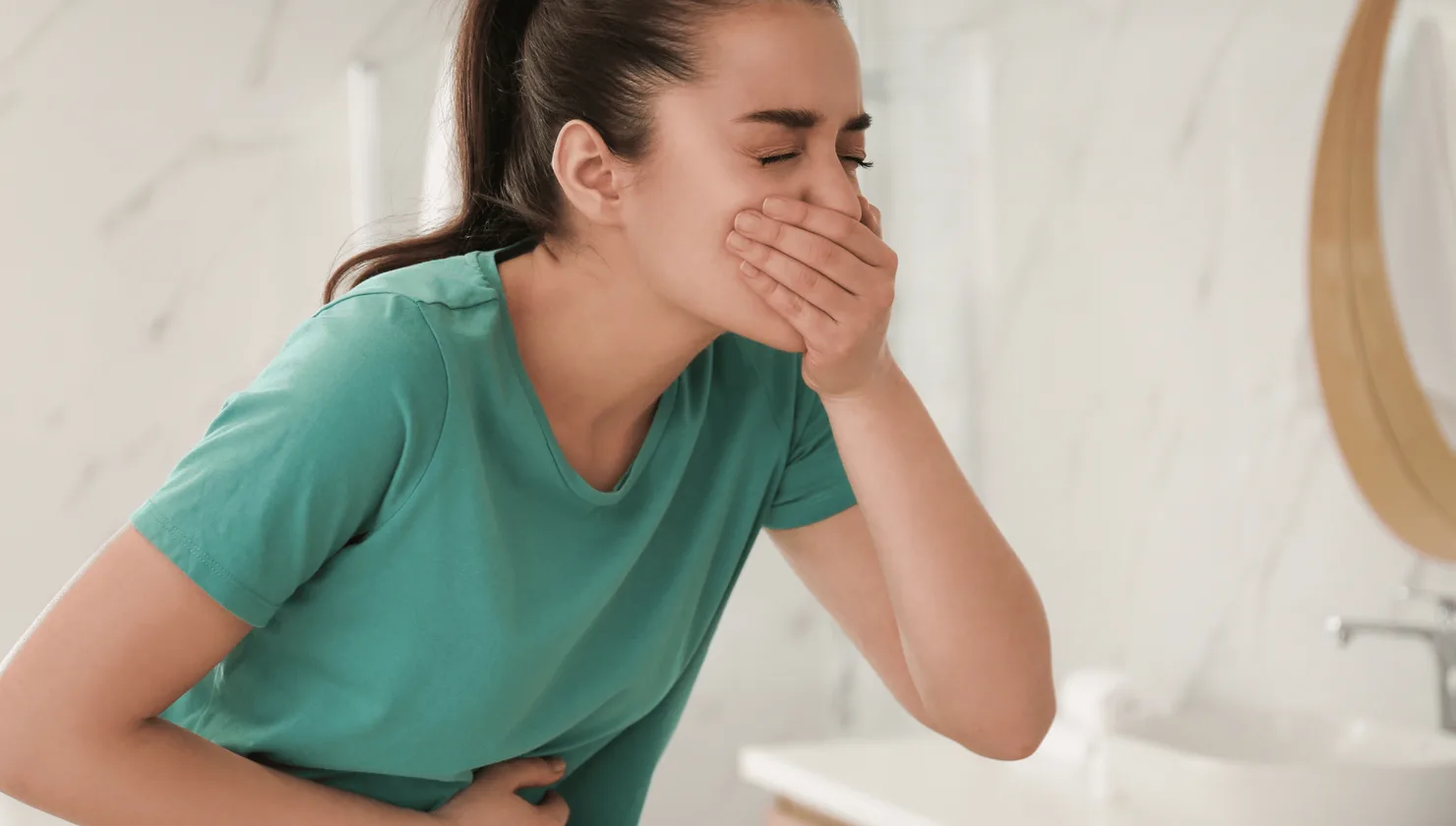
Symptoms
- Nausea and vomiting: Often the earliest sign after swallowing a toxic substance.
- Trouble breathing: Coughing, wheezing, or shortness of breath from inhaled fumes or chemical exposure.
- Confusion or drowsiness: Toxins can impair thinking, cause slurred speech, or lead to unresponsiveness.
- Mouth, throat, or skin burns: Corrosive cleaners and chemicals can burn on contact or when swallowed.
- Seizures: Some neurotoxins and severe poisonings can trigger convulsions.
- Headache, dizziness, and nausea together: A classic pattern of carbon monoxide poisoning, often affecting several people in the same home.
- Chest pain or irregular heartbeat: Certain toxins affect the heart and require urgent evaluation.
When it's an emergency
Emergency care for poisoning by nonmedicinal substances
Call 911 immediately for life-threatening symptoms or if you cannot travel safely. Do not drive yourself or delay for online booking.
For other urgent symptoms, seek prompt emergency evaluation. Bellaire ER accepts walk-ins 24/7. For facility questions, call (713) 660-0001.
Call 911 immediately if a poisoned person is unconscious, hard to wake, not breathing normally, having a seizure, or having severe trouble breathing. These are life-threatening signs that need an ambulance, not a car ride.
Suspect carbon monoxide poisoning if several people or pets in the same building have headache, dizziness, nausea, and confusion at once. Get everyone into fresh air immediately and call 911.
For a swallowed corrosive (drain cleaner, bleach, or strong acid) or a possible overdose of alcohol or another substance, seek emergency care now. Do not make the person vomit unless Poison Control or a physician tells you to, and bring the product container or a photo of the label if you can.
Bellaire ER is open 24/7 at 5302 Bellaire Blvd and can begin treatment immediately. Call 911 for signs of a heart attack, stroke, or anaphylaxis-like reaction alongside exposure.
When it's not an emergency
If the exposed person is fully awake, breathing normally, and has no or only mild symptoms, call Poison Control at 1-800-222-1222 first. This free, confidential line is staffed 24/7 by toxicology experts who can tell you whether home monitoring is safe or whether you need to be seen.
Many minor exposures, such as a small taste of a low-toxicity household product or a mild skin contact that is rinsed off promptly, can be managed at home with Poison Control's guidance.
Poison Control and your own doctor can answer follow-up questions after a known low-risk exposure. Bellaire ER is open 24/7 if symptoms start or change. When in doubt about a child, an unknown substance, or worsening symptoms, err on the side of an in-person emergency evaluation.
What else could be causing this
- Carbon monoxide
- A colorless, odourless gas from faulty furnaces, gas appliances, generators, grills and car engines running in enclosed spaces. It causes headache, dizziness, nausea, weakness and confusion, and the single most useful clue is that several people or pets in the same building fall ill together, improving when they leave. In winter it is routinely mistaken for flu.
- Corrosive cleaners
- Drain cleaner, oven cleaner, strong bleach, toilet-bowl cleaner, lye and industrial acids. These burn on contact: mouth, throat, esophagus and stomach when swallowed, skin and eyes otherwise, and the injury continues after the exposure rather than stopping with it. Vomiting is never induced after a corrosive, because bringing it back up burns the esophagus a second time.
- Mixed cleaning products
- Bleach combined with ammonia releases chloramine gas; bleach with an acidic cleaner releases chlorine gas. Both cause coughing, chest tightness, burning eyes and breathlessness, often in someone cleaning a bathroom with the door closed. Symptoms can worsen over several hours after the exposure has ended, which is why these are observed rather than sent straight home.
- Hydrocarbons
- Gasoline, kerosene, lamp oil, lighter fluid, furniture polish and paint thinner. The danger is not mainly what they do in the stomach but what happens if a small amount is inhaled into the lungs during swallowing or vomiting, which causes a chemical pneumonitis. Coughing or choking at the moment of swallowing is the sign that matters, and again vomiting is not induced.
- Toxic alcohols
- Methanol in windshield washer fluid and some fuels, and ethylene glycol in antifreeze. Both initially resemble ordinary drunkenness and then, over hours, cause a severe acid build-up in the blood. Methanol can cause permanent blindness, ethylene glycol can destroy the kidneys. Specific antidotes exist and work best early, which is why a suspected ingestion is an emergency even when the person looks fine.
- Organophosphate and other pesticides
- Insecticides and some agricultural chemicals, absorbed through skin as readily as swallowed. The characteristic picture is excessive secretions: drooling, tearing, sweating, vomiting, diarrhea, with small pupils, muscle twitching, weakness and, in severe cases, difficulty breathing and seizures. Contaminated clothing is removed and the skin washed, because the exposure otherwise continues.
- Alcohol poisoning
- Ethanol in large amounts, and the most common serious poisoning in both adolescents and adults. The dangerous signs are vomiting while unable to protect the airway, slow or irregular breathing, cold or clammy skin, seizures, and being unrousable. Low blood sugar is a particular hazard in children, who can be poisoned by amounts an adult would shrug off, including from mouthwash and hand sanitizer.
- Button batteries, magnets and heavy metals
- A swallowed button battery lodged in the esophagus burns through tissue within hours and is one of the few true minute-by-minute emergencies in this list. More than one small magnet can trap and perforate bowel. Lead from old paint, imported pottery or cosmetics causes a slower poisoning, with abdominal pain, anemia, irritability and developmental effects in children.
- Plants and mushrooms
- Most household plant nibbles by a curious toddler produce nothing worse than mouth irritation. The exceptions matter: certain wild mushrooms cause liver failure after an initial period of looking better, and plants such as oleander, foxglove and water hemlock are genuinely dangerous. A photograph of the plant or mushroom, or the specimen itself, is more useful than any description.
What happens when you arrive
When you arrive at Bellaire ER, a board-certified emergency physician evaluates you quickly and, when appropriate, coordinates with Poison Control to identify the substance and the right treatment. We check your airway, breathing, and circulation first and stabilize any life-threatening problems.
On-site diagnostics may include blood and urine lab tests, a check of oxygen and carbon monoxide levels, an EKG to monitor the heart, and X-ray, CT, or ultrasound imaging as needed. These tools are available in-house when clinically appropriate; testing and results depend on the evaluation.
Treatment is tailored to the toxin and may include IV fluids, oxygen, medications to counter specific poisons, activated charcoal in select cases, and continuous monitoring. We diagnose and treat in a single visit, and most patients do not require a hospital transfer. Before you leave, your physician explains your results and gives you a clear follow-up plan.
Tests we can run on site
- Carbon monoxide level
- A blood measurement of how much hemoglobin is bound to carbon monoxide instead of oxygen. It is the only way to confirm the diagnosis, because a standard pulse oximeter reads falsely normal in carbon monoxide poisoning, the oxygen saturation looks fine while the blood is carrying far less oxygen than it appears to.
- Comprehensive metabolic panel
- Kidney and liver function, electrolytes, glucose and bicarbonate. The bicarbonate is the one that often gives the diagnosis away: a severe acid build-up with a gap that the usual causes do not explain is the hallmark of methanol or ethylene glycol, and a reason to treat before a confirmatory level returns.
- Complete blood count
- Blood counts and a marker of oxygen-carrying capacity, plus a white cell count that reflects inflammation from a chemical injury or an infection on top of one. Anaemia also points toward chronic exposure, as in lead poisoning.
- EKG and continuous cardiac monitoring
- Several toxins affect the heart's rhythm and conduction before they affect anything visible from the outside. A tracing on arrival and continuous monitoring afterward catch a developing rhythm problem during the observation period, which is the period when many poisonings actually declare themselves.
- Blood alcohol and specific drug levels
- Measures ethanol directly and, where available, specific toxins. Just as importantly, a level that does not explain how unwell someone is redirects the search, a modest alcohol level in a deeply unresponsive patient means something else is going on, including a head injury.
- X-ray
- A chest film looks for chemical pneumonitis after a hydrocarbon aspiration, fluid in the lungs after an inhaled irritant, and pneumonia from aspirated vomit; those findings often appear some hours after the exposure, so a normal early film does not end the question. X-ray also locates a swallowed button battery, magnets or coins, and the location determines urgency, a battery in the esophagus needs immediate removal, while one past the stomach is usually managed differently. Plastic and some other materials do not appear on film at all.
- CT scan
- Cross-sectional imaging, used when a head injury may be part of the picture in someone found confused or unresponsive, when a corrosive may have perforated the esophagus or stomach, or when the cause of altered consciousness is not explained by the toxin. It answers the question of what else is happening.
Treated here, or transferred
Bellaire ER is a licensed freestanding emergency room: board-certified emergency physicians and nurse practitioners, on-site CT, X-ray, ultrasound and laboratory, medication administered during your visit, open 24 hours a day, 365 days a year, for adults and children. It is equipped and staffed to evaluate, stabilize and treat emergencies, and it is not a hospital. In poisoning, the stabilization and the identification happen here, and what follows depends entirely on the substance.
Treatment begins with the airway, breathing and circulation, before anything is known about the toxin, in poisoning, supportive care is the treatment in most cases and the antidote is the exception. High-flow oxygen is the treatment for carbon monoxide, and it is the first intervention rather than something that waits on a confirmatory level. Contaminated clothing is removed and skin and eyes are irrigated, because a dermal or ocular exposure keeps delivering dose until it is washed off.
Intravenous fluids, anti-nausea medication, glucose for low blood sugar, and medication for agitation or seizures are given as needed, with continuous cardiac monitoring throughout. Activated charcoal is used in selected cases and specifically not in others. It does not bind alcohols, metals or corrosives, and it is unsafe if the airway is not protected.
On-site laboratory testing and imaging identify the organ effects, and the physician works with Poison Control, which is the national toxicology resource and is consulted as a matter of routine rather than as a last resort. Many exposures are then observed here through the window in which they would declare themselves, and discharged with instructions.
Some poisonings need a hospital, and a freestanding emergency room has no intensive care unit, no inpatient beds, no dialysis and no endoscopy suite. Anyone needing breathing support, dialysis to clear a toxic alcohol, an antidote infusion over many hours, hyperbaric oxygen for severe carbon monoxide poisoning, endoscopy after a corrosive ingestion, or urgent removal of a swallowed button battery needs inpatient services. So does anyone with persistent seizures, an unstable heart rhythm or shock, and anyone who needs a psychiatric admission after an intentional ingestion. In each of those, treatment starts here: oxygen, antidote where it can be given, fluids, monitoring, decontamination, and continues without interruption during transfer to a hospital with the service required.
One piece of practical advice: bring the container, or a photograph of the label, or the plant or mushroom itself. Identifying the substance is the step that determines everything else, and a label does it faster and more reliably than any test. If the person is awake, breathing normally and has no symptoms, call Poison Control at 1-800-222-1222 first; if they are unconscious, seizing, or struggling to breathe, an ambulance is safer than driving them anywhere.
Children
Bellaire ER treats adults and children. Most childhood poisonings are a toddler exploring, and most of them are harmless, but children are not small adults in this respect, and the exceptions are the whole point. A child's smaller body weight means a dose that would do nothing to an adult can be significant, and a few substances are dangerous in the amount a toddler can swallow in one go.
The items worth knowing by name are button batteries, magnets, toxic alcohols, hydrocarbons, corrosive cleaners, pesticides, concentrated essential oils and nicotine products including vape refills and pouches. A button battery lodged in the esophagus can burn through tissue within two hours; it is one of the few genuine minute-by-minute emergencies in childhood, and the child should be brought in immediately rather than watched. More than one small magnet can trap loops of bowel between them and perforate. Alcohol, including mouthwash and hand sanitizer, causes dangerously low blood sugar in young children, not just drowsiness. Laundry detergent pods cause vomiting, breathing difficulty and drowsiness out of proportion to the small volume.
For a child who is awake, breathing normally and has no symptoms, call Poison Control at 1-800-222-1222 first; they will tell you whether watching at home is reasonable. Call 911 immediately if the child is unconscious, hard to rouse, seizing, or struggling to breathe. Do not make a child vomit and do not give ipecac, syrup or anything else to drink unless Poison Control or a physician tells you to, and do not try to neutralize an acid with an alkali or the reverse. Remove contaminated clothing and rinse skin or eyes with running water for a sustained period while you call.
Bring the container, or a photograph of the label, or the plant or mushroom. Bring the pill bottle even when the contents are not the issue. In a verbal child, ask what and how much, and then bring them in anyway if there is any doubt, children under-report and the time window on some of these is short. Any infant under three months with a fever of 100.4 degrees Fahrenheit or higher taken rectally needs emergency evaluation regardless of the exposure. Afterward, the practical prevention is unglamorous and works: latched cabinets, original containers, nothing decanted into drink bottles, batteries and vape products out of reach entirely, and a carbon monoxide detector on every sleeping floor.
After you leave
Many poisonings are discharged after a period of observation, because the point of the observation is to see whether the exposure is going to cause a problem, and a substantial number do not. That does not mean the next day is unremarkable. Some exposures have a delayed phase, and knowing which yours is should be part of what you are told before you leave. Ask specifically: what should I expect over the next 24 to 48 hours, and what would mean something has changed.
Carbon monoxide is the clearest example of why. Do not return to the building until the source has been found and fixed and a professional has checked it, because going home to the same furnace undoes the entire visit. Headache, difficulty concentrating, memory problems, low mood or clumsiness can appear days to weeks after a significant exposure, and they need reporting rather than tolerating. After a corrosive ingestion, difficulty or pain on swallowing that develops over the following weeks can indicate scarring and narrowing, and it needs evaluating. After a hydrocarbon exposure, chest symptoms can appear over the first day or two. After a chlorine or chloramine exposure, cough and wheeze can persist for days.
Call 911 for trouble breathing, chest pain, fainting, a seizure, or if you cannot travel safely. Seek emergency care right away for new or worsening breathlessness, chest pain, coughing, vomiting that will not stop, severe abdominal pain, black or bloody stool, difficulty swallowing, drooling, confusion, drowsiness, fainting, or a seizure. Return for a worsening headache, for new weakness or numbness, or if the symptoms that brought you in come back after settling.
Then fix the cause, which is the part that prevents a second visit. Install carbon monoxide detectors near sleeping areas and test them. Store chemicals, pesticides, antifreeze, alcohol and cleaning products in their original labelled containers, high up and locked, and never in a drink bottle. Never mix cleaning products. Save Poison Control at 1-800-222-1222 in your phone now rather than looking it up during an emergency. If the ingestion was intentional, the follow-up mental health care you were offered is the treatment for what actually happened, and it matters more than anything on the medical side.
What this visit costs
We accept most major insurance and bill your insurer directly. For emergency care, federal law caps what you pay at in-network rates and bars surprise bills, your deductible and copay still apply. Never delay emergency care over cost.
See how ER billing worksInsurance and coverage questionsRead the facility notice
Questions about a specific plan? Call (713) 660-0001. Only your plan can tell you how a claim will be processed.
Lowering your risk
Store household chemicals, cleaners, pesticides, antifreeze, and alcohol in their original labeled containers, out of reach of children and pets, ideally in locked cabinets.
Install carbon monoxide detectors near sleeping areas and test them regularly. Never run a generator, grill, or car engine in an enclosed space.
Never mix cleaning products such as bleach and ammonia, which can release toxic gas. Read and follow product labels, and use ventilation and gloves when handling strong chemicals.
Save Poison Control (1-800-222-1222) in your phone so guidance is ready the moment an exposure happens.
Common questions
When should I go to the ER for poisoning?
Call 911 immediately if a poisoned person is unconscious, struggling to breathe, seizing, having chest pain, or severely confused. If the person is awake and stable, call Poison Control at 1-800-222-1222 first for guidance on whether an ER visit is needed. Bellaire ER is open 24/7 for emergency poisoning treatment.
What is Poison Control and when should I call it?
Poison Control (1-800-222-1222) is a free, confidential helpline staffed 24/7 by toxicology experts. Call it for any known or suspected exposure when the person is awake and breathing normally, and they will tell you whether you can monitor at home or need emergency care. Call 911 immediately if the person is unconscious, seizing, or having trouble breathing.
What are the signs of carbon monoxide poisoning?
Carbon monoxide poisoning often causes headache, dizziness, nausea, weakness, and confusion, and it frequently affects several people or pets in the same building at the same time. Because you cannot see or smell the gas, get everyone into fresh air and come in now if you suspect it. Bellaire ER can measure carbon monoxide levels and provide oxygen treatment on-site.
Should I make someone vomit after poisoning?
No. Do not induce vomiting and do not give ipecac unless Poison Control or a physician specifically instructs you to. Making someone vomit can cause additional harm, especially with corrosive chemicals or petroleum products. Call Poison Control at 1-800-222-1222 for the correct first steps.
What does Bellaire ER do to treat poisoning?
A board-certified emergency physician stabilizes your breathing and circulation, then uses on-site lab tests, EKG, and imaging to assess the toxin's effects. Treatment may include IV fluids, oxygen, specific antidotes, activated charcoal in select cases, and close monitoring. We diagnose and treat in one visit, and most patients do not need a hospital transfer.
Why prompt attention matters
Poisoning needs immediate attention. Delay allows toxic effects to progress and raises the risk of organ damage and other life-threatening complications, and treatment is most effective when the substance is identified early.
Get care at Bellaire ER
Walk in any time at 5302 Bellaire Blvd, Bellaire, TX 77401 (get directions) or call 713-660-0001. No appointment is required to be seen, though you can save your spot online if you prefer.
Sources & further reading
Medical information on this page is consistent with guidance from these trusted organizations:
People also ask
When should I go to the ER for poisoning by nonmedicinal substances?
Call 911 for poisoning when the person is unconscious, seizing, has trouble breathing, or chest pain. A corrosive substance or an unknown amount also needs immediate assessment. If they are awake and stable, call Poison Control at 1-800-222-1222 first. They will tell you whether an ER visit is needed. Call 911 if symptoms are life-threatening or the person cannot travel safely.
Read full answer →