
IV Hydration: Restoring Your Body's Balance
Content reviewed and edited by Dr. Mario Quintanilla, MD. Walk in or call (713) 660-0001 anytime.
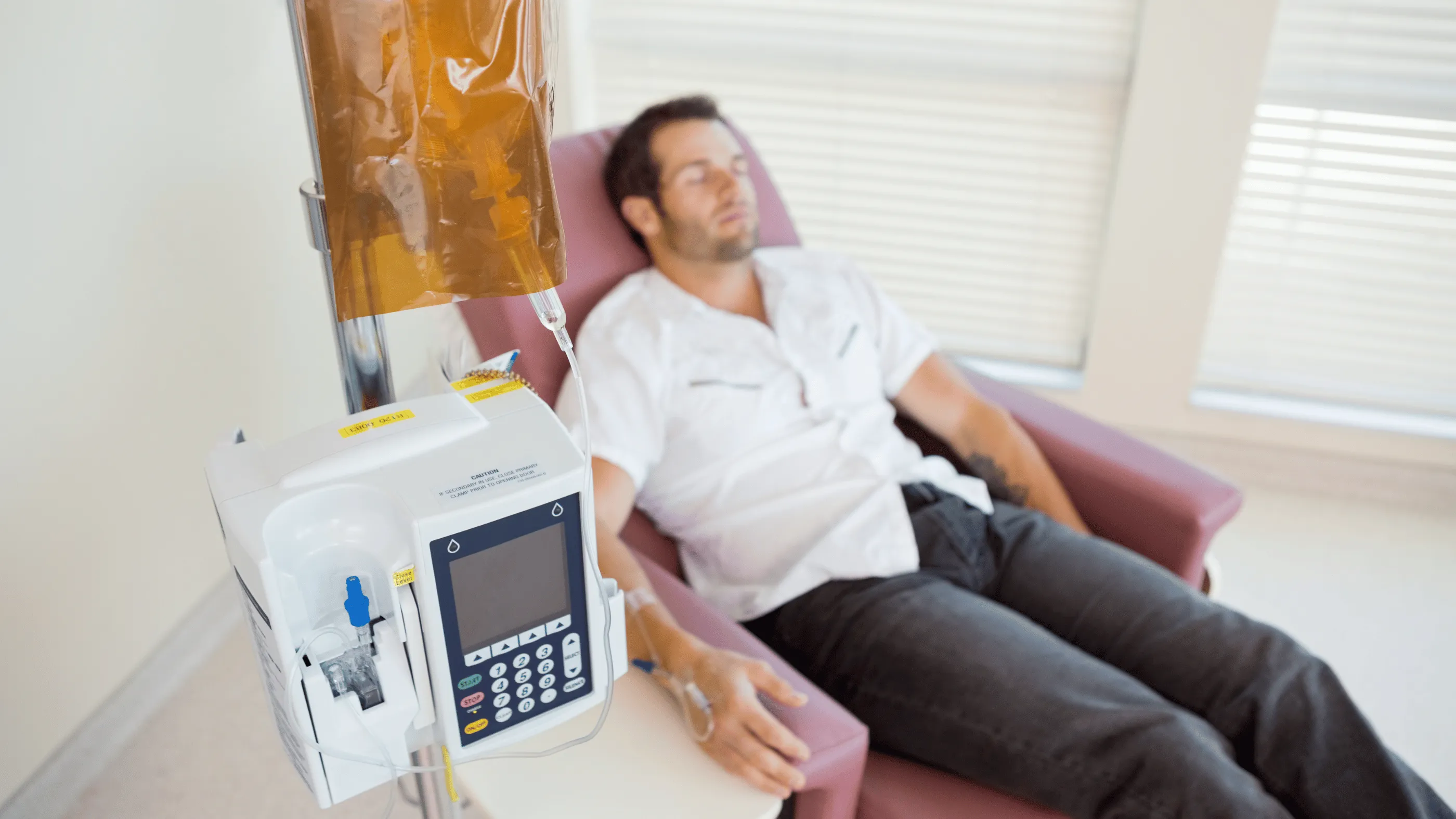
IV hydration is the delivery of fluids and electrolytes directly into a vein through a small catheter. Because it bypasses the digestive system, it is the fastest and most reliable way to treat moderate-to-severe dehydration — especially when someone cannot keep fluids down due to vomiting, diarrhea, or illness. Mild dehydration usually does not need an IV; drinking water or an oral rehydration solution is enough. IV fluids become necessary when dehydration is severe, when oral intake fails, or when a medical emergency such as heat stroke or shock is developing.
This guide explains when IV hydration is medically needed, the warning signs that mean you should go to the ER, and what to expect during treatment.
When drinking fluids is enough — and when it isn’t

Most everyday dehydration — from exercise, hot weather, or a mild stomach bug — responds well to oral fluids. Water, and for significant losses an oral rehydration solution containing electrolytes, is the first-line treatment recommended by the National Library of Medicine’s dehydration guide.
Oral rehydration fails, and IV fluids become the right tool, in situations like these:
- Persistent vomiting that prevents keeping any fluids down
- Severe diarrhea with ongoing losses faster than you can drink (common with vomiting and diarrhea from gastroenteritis, or a stomach flu)
- Moderate-to-severe dehydration with dizziness, very dark or minimal urine, or a racing heart
- Heat exhaustion or heat stroke, a real risk in Houston summers
- Illness that suppresses intake, such as severe flu, when fever and poor appetite combine with fluid losses
Red flags — go to the ER now
Dehydration can progress to shock, kidney injury, and dangerous electrolyte imbalances. Seek emergency care immediately for any of the following:
- Confusion, unusual drowsiness, or fainting
- No urination for 8 hours or more, or very dark urine with worsening symptoms
- Rapid heartbeat or rapid breathing
- Inability to keep any fluids down with ongoing vomiting or diarrhea
- Signs of heat stroke — body temperature of 103°F (39.4°C) or higher, hot skin, confusion, or loss of consciousness. Call 911 — heat stroke is life-threatening, as outlined in the MedlinePlus guide to heat emergencies
- In infants and children: no wet diaper for 6+ hours, no tears when crying, a sunken soft spot on the head, or extreme sleepiness or irritability — see the American Academy of Pediatrics’ signs of dehydration in children
Call 911 rather than driving if someone is unconscious, seizing, or showing signs of shock (cold clammy skin, weak rapid pulse, confusion).
ER, urgent care, or telemedicine?
- ER: any red flag above, suspected heat stroke, an infant or elderly person with worsening dehydration, or dehydration alongside chest pain, severe abdominal pain, or confusion. See our guide on when to visit the ER.
- Urgent care: mild-to-moderate symptoms in an otherwise healthy adult who can still keep some fluids down.
- Telemedicine: a good first step when you’re unsure. A telemedicine visit lets a provider assess symptoms, advise on oral rehydration, and tell you whether you need in-person IV fluids.
What to expect during IV hydration at the ER

- Assessment. A physician evaluates your symptoms, vital signs, and history. On-site lab testing can check electrolytes and kidney function when needed.
- IV placement. A nurse inserts a small catheter, usually in the hand or arm. You’ll feel a brief pinch.
- Fluids and medication. Isotonic fluids (such as normal saline or lactated Ringer’s) run over roughly 30–60 minutes. Anti-nausea medication can be added if vomiting is the underlying problem.
- Monitoring. Vital signs are rechecked and the infusion rate adjusted. Most patients feel noticeably better before the bag is finished.
At Bellaire ER, IV fluids are ordered by board-certified emergency physicians and administered by emergency-trained nurses with sterile, single-use equipment — the same standard as a hospital ER, without the wait.
A note on elective “IV drip bars”

Wellness lounges market vitamin drips for energy, hangovers, and “immune boosts.” These are elective services, not medical treatment: for a healthy person who can drink normally, there is no proven benefit of IV vitamins over food and oral fluids. Medical IV hydration is different — it treats a diagnosed problem, is dosed to your labs and vital signs, and is supervised by a physician who can also treat the underlying cause.
The bottom line
Drink fluids early and often when you’re sick, sweating heavily, or in the heat — prevention beats treatment. If vomiting, diarrhea, or heat illness pushes you past what drinking can fix, IV hydration restores fluid and electrolyte balance quickly and safely. And if you see any red flag above, don’t wait it out at home.
Bellaire ER is open 24/7 at 5302 Bellaire Blvd, Bellaire, TX 77401. Call (713) 660-0001, get directions, or start with a telemedicine visit — no appointment needed.