
High Blood Pressure: A Comprehensive Guide
Bellaire ER is a freestanding emergency room at 5302 Bellaire Blvd, open 24/7/365. Walk in or call ((713) 660-0001) anytime.

- Open now, 24/7/365
- Walk in, no appointment needed
- 5302 Bellaire Blvd, free parking
High Blood Pressure Symptoms, 180/110 Readings & Hypertensive Emergency vs. Urgency
Most people with chronic high blood pressure have no daily warning symptoms at all, which is why routine blood pressure cuff checks matter. When blood pressure spikes sharply, however, knowing the difference between hypertensive urgency and a hypertensive emergency tells you whether to call your doctor or head straight to a 24/7 emergency room in Bellaire, TX.
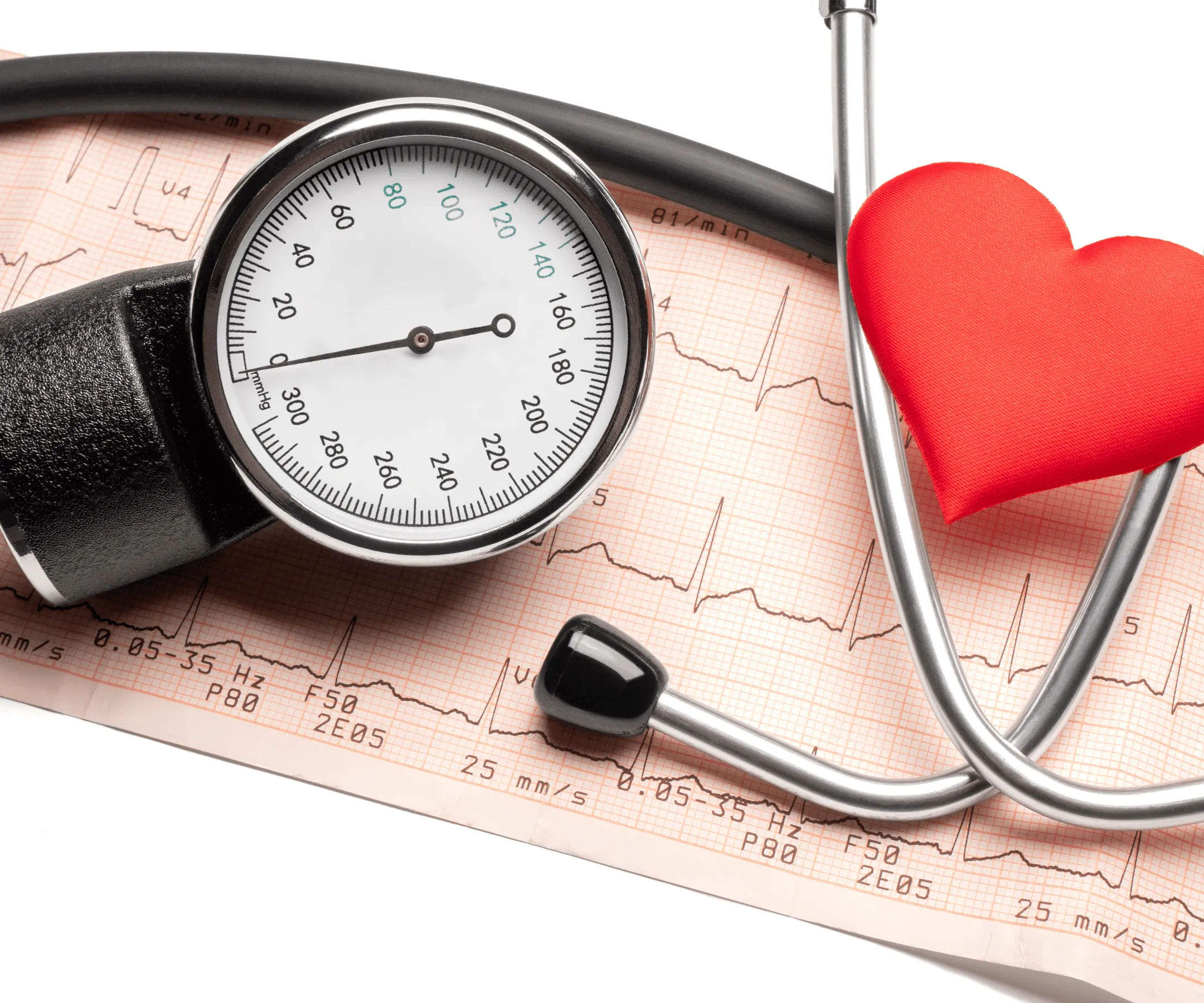
Blood Pressure Categories and What a 180/110 or 180/120 Reading Means
Under the American College of Cardiology and American Heart Association (ACC/AHA) clinical guidelines (PMID: 29133356), adult blood pressure readings fall into four main ranges:
- Normal blood pressure: Below
120/80 mmHg - Elevated blood pressure:
120 to 129systolic and below80diastolic - Stage 1 hypertension:
130 to 139systolic or80 to 89diastolic - Stage 2 hypertension:
140/90 mmHgor higher - Severely elevated blood pressure (Hypertensive Crisis threshold): Systolic reading above
180 mmHgor diastolic reading above110 to 120 mmHg(such as180/110or180/120)
If your home cuff reads 180/110 or 180/120, sit quietly for five minutes and recheck on the opposite arm. What you do next depends on whether you have any organ-stress symptoms.
Hypertensive Urgency vs. Hypertensive Emergency
Emergency physicians divide severely high blood pressure into two distinct clinical categories (PMID: 23842053):
- Hypertensive Emergency (Go to the ER or Call 911 Immediately): Blood pressure at or above
180/110to180/120 mmHgpaired with acute target-organ damage affecting the heart, brain, aorta, eyes, or kidneys. Lowering blood pressure safely in this setting requires controlled intravenous medication and continuous cardiac monitoring. - Hypertensive Urgency (Asymptomatic Severe Elevation): Blood pressure at or above
180/110to180/120 mmHgwith zero symptoms of chest pain, shortness of breath, vision loss, or neurologic change. Dropping blood pressure too rapidly with fast-acting pills can reduce blood flow to the brain; instead, physicians restart or adjust long-acting oral medications and arrange close outpatient follow-up.
Red-Flag High Blood Pressure Symptoms That Mean Go to the ER Now
Call 911 or go to the nearest emergency room immediately if a high blood pressure reading occurs with any of the following symptoms:
- Chest pain, tightness, or pressure, or pain radiating to the jaw, neck, shoulder, or arm
- Sudden tearing or ripping upper back or chest pain (a warning sign of aortic dissection)
- Shortness of breath, difficulty breathing when lying flat, or coughing up frothy sputum (acute pulmonary edema)
- Sudden severe headache, confusion, trouble speaking, facial droop, or one-sided arm or leg weakness
- Sudden blurred vision, double vision, or partial vision loss
- Nausea, vomiting, seizure, or new confusion
- Severe high blood pressure during pregnancy or within 6 weeks after delivery (possible preeclampsia or eclampsia)
- Blood in the urine (
hematuria) or a sharp drop in urine output
Causes and Everyday Risk Factors
Several medical and daily factors drive chronic hypertension and sudden blood pressure spikes:
- Missed prescription blood pressure doses (particularly sudden withdrawal of beta-blockers or clonidine, which causes rebound hypertension)
- High dietary sodium, excess alcohol intake, nicotine, or stimulant medications and decongestants (
pseudoephedrine,NSAIDs) - Underlying kidney disease, thyroid disorders, or sleep apnea
- Family history, diabetes, and age-related arterial stiffness
How Bellaire ER Evaluates High Blood Pressure Emergencies 24/7
When you walk into Bellaire ER, our board-certified emergency physicians evaluate severely elevated blood pressure in a private examination suite at 5302 Bellaire Blvd:
- 12-Lead ECG and Continuous Telemetry: Checks immediately for acute cardiac ischemia, left ventricular strain, or arrhythmia.
- On-Site Cardiac and Renal Lab Panel: Our COLA-certified laboratory runs high-sensitivity cardiac troponin, a comprehensive metabolic panel (
creatinine,GFR, electrolytes), complete blood count, and urinalysis to check for kidney or heart strain. - On-Site CT and Chest Imaging: When neurological symptoms, severe headache, or tearing chest/back pain are present, our on-site CT scanner and digital X-ray evaluate for intracranial hemorrhage, stroke, pulmonary edema, or aortic pathology.
- Controlled Stabilization and Hospital Coordination: If a true hypertensive emergency is present, our team initiates titratable intravenous therapy at the bedside and coordinates direct hospital admission.
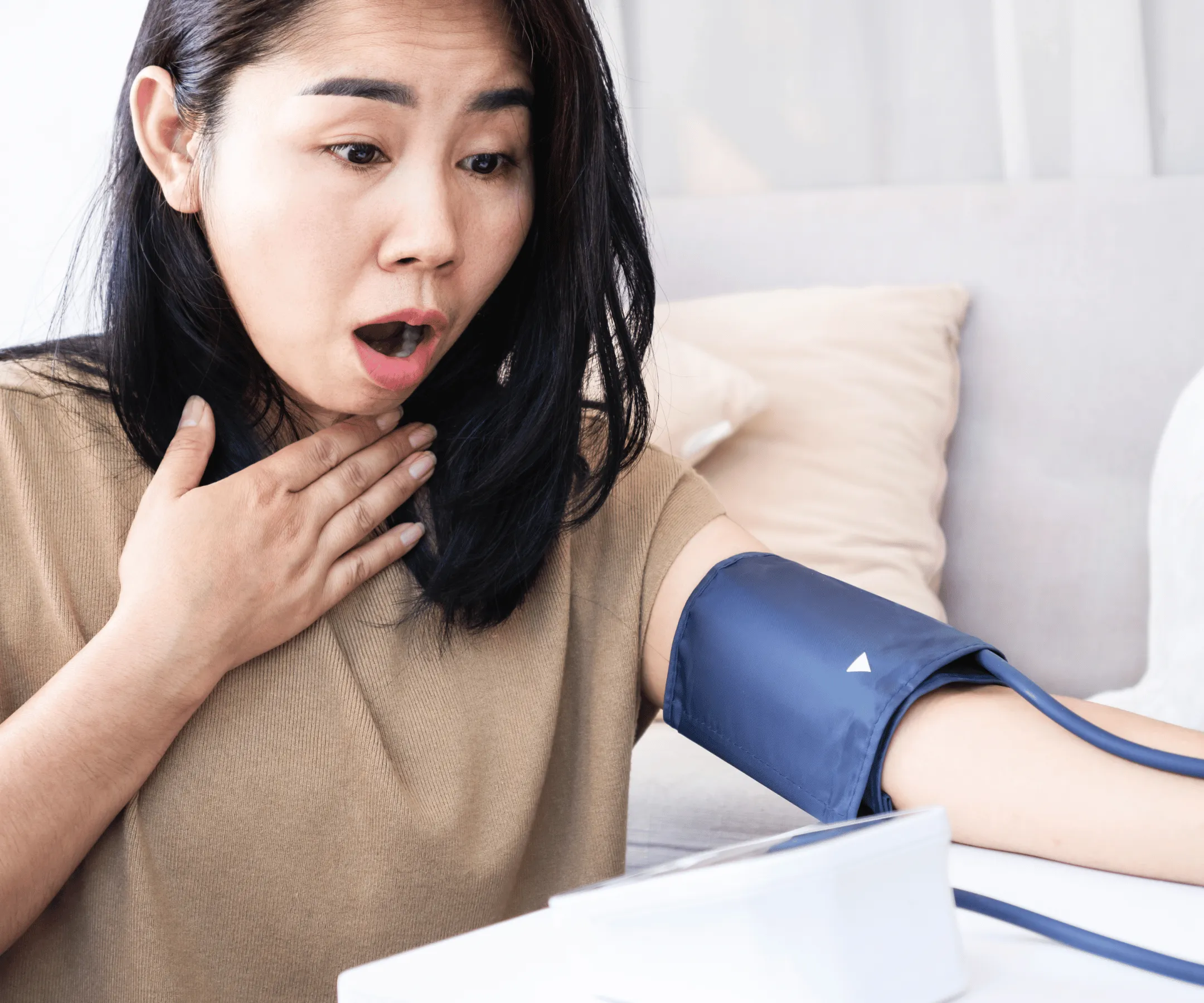
Visit Bellaire ER 24/7 in Bellaire, TX
Never guess whether a high blood pressure reading is affecting your heart, brain, or kidneys. Bellaire ER is open 24 hours a day, 365 days a year at 5302 Bellaire Blvd, Bellaire, TX 77401 with free front-door parking. Call (713) 660-0001 or get directions here. For routine blood pressure medication refills or non-emergency questions without red-flag symptoms, you can also schedule a telemedicine visit.
Frequently asked questions
What blood pressure reading is considered a hypertensive crisis?
A blood pressure reading of 180/120 mmHg or higher is a hypertensive crisis. If it is accompanied by chest pain, shortness of breath, back pain, numbness, weakness, vision changes, or difficulty speaking, it is a hypertensive emergency; call 911 immediately.
What is the difference between hypertensive urgency and a hypertensive emergency?
In a hypertensive emergency, blood pressure at or above 180/120 mmHg is actively damaging vital organs (heart, brain, kidneys or aorta) and requires immediate IV medication and monitoring. Severely elevated blood pressure without organ-damage symptoms still needs prompt medical evaluation to adjust oral medication safely.
How does Bellaire ER evaluate dangerously high blood pressure?
Our physicians perform a 12-lead ECG, cardiac troponin and kidney function blood tests and urinalysis plus a non-contrast head CT or chest imaging when stroke, heart strain, or aortic dissection is suspected.
Clinical references & peer-reviewed sources
- Whelton PK et al. 2017 ACC/AHA/AAPA/ABC/ACPM/AGS/APhA/ASH/ASPC/NMA/PCNA Guideline for the Prevention, Detection, Evaluation, and Management of High Blood Pressure in Adults. Hypertension, 2018 (PMID: 29133356)
- Wolf SJ et al. Clinical Policy: Critical Issues in the Evaluation and Management of Adult Patients in the Emergency Department with Asymptomatic Elevated Blood Pressure (ACEP). Annals of Emergency Medicine, 2013 (PMID: 23842053)
- MedlinePlus: High Blood Pressure
Have Questions About Visiting Bellaire ER?
Call our team at (713) 660-0001 any time with questions about visiting our independent, physician-owned freestanding emergency room at 5302 Bellaire Blvd, open 24/7 with short waits.